
DRILLING
T ricone drill bits are among the most widely used tools in the drilling industry, especially in oil, gas, water well, mining, and geothermal applications. With their versatile design and adaptability to various formations, tricone bits continue to be a reliable choice for operators worldwide.
What Is A Tricone Drill Bit?
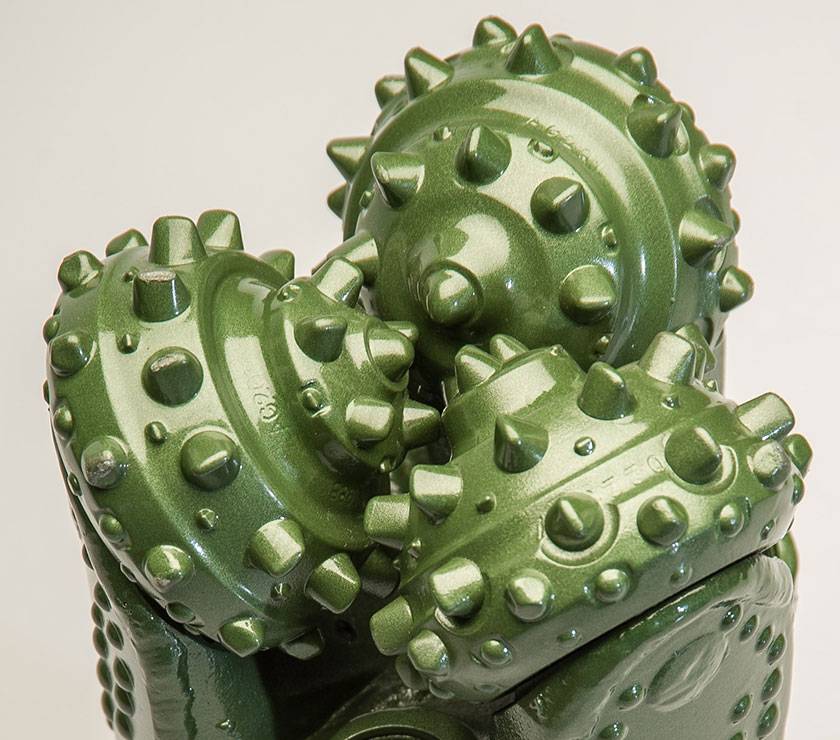
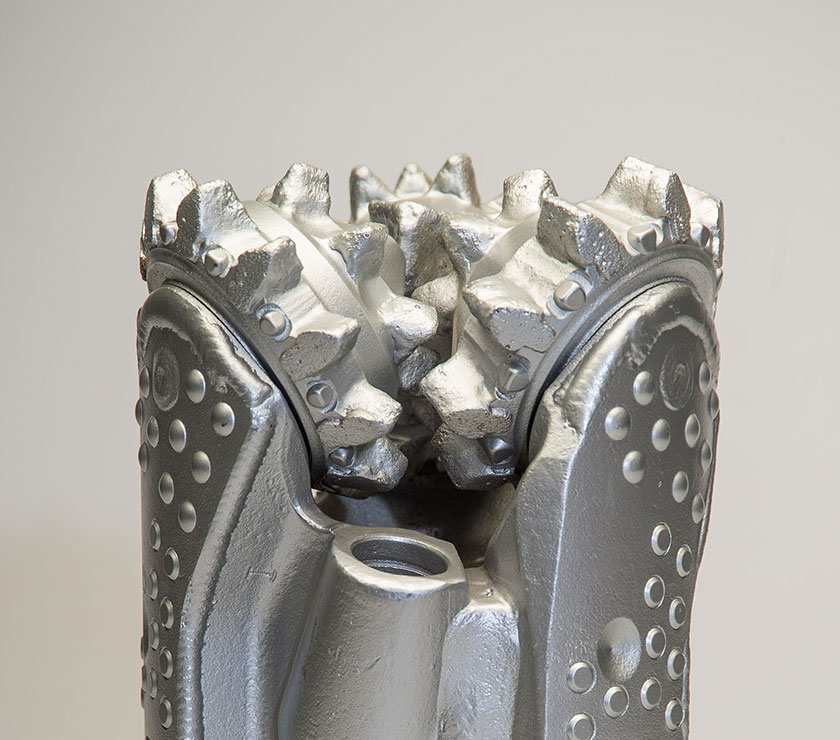
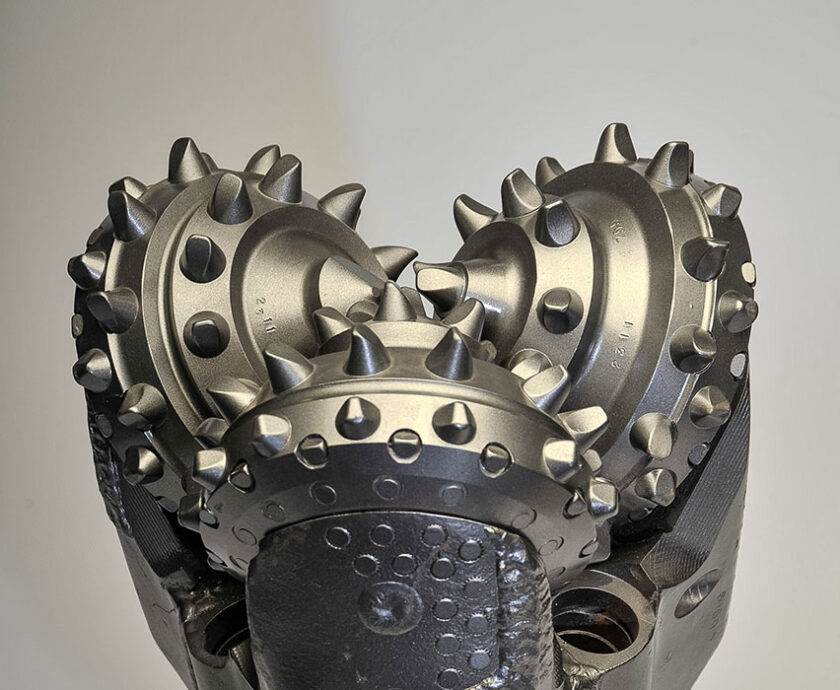
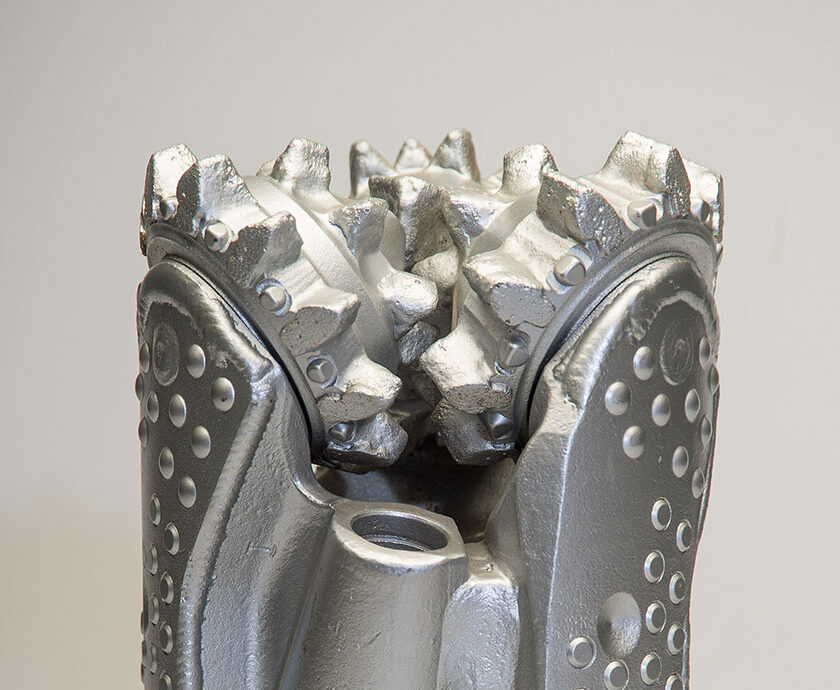
A Tricone drill bit features three conical rollers, each equipped with teeth or tungsten carbide inserts (TCI), mounted on legs attached to the bit’s shank. These cones rotate independently, allowing the teeth to crush and gouge rock as the bit turns. Tricone bits come in two main types:
- Steel Tooth Bits: These have teeth milled directly into the cone, suitable for softer formations like shale or clay where wear is minimal.
- Tungsten Carbide Insert (TCI) Bits: These feature durable tungsten carbide inserts pressed into the cone, ideal for harder, abrasive formations like granite or dolomite.
Tricone bits evolved from earlier two-cone designs, offering improved stability and coverage. Their versatility makes them a staple in various drilling applications.
Key Features of Tricone Bits:
- Three independently rotating cones
- Multiple bearing options (roller, journal, sealed)
- Steel tooth or tungsten carbide inserts (TCI)
- Available in various sizes (e.g., 2 15/16″ to 36″)
- Suited for both soft and hard formations
How Does A Tricone Bit Work?
Tricone bits operate by combining the rotation of the drill string with the independent rotation of three cones. As the drill string turns clockwise, each cone rotates counterclockwise on its own axis, driven by bearings. The teeth or inserts on the cones impact and crush the rock, creating a hole. This crushing and gouging action is effective across a wide range of formations, from soft to hard and abrasive.
Key operational parameters include:
- Weight on Bit (WOB): Higher WOB (e.g., 21,000-24,000 lbs for 5-1/2″ to 6-1/2″ bits) enhances crushing but risks excessive wear if not balanced (ScienceDirect).
- Rotary Speed (RPM): Lower RPM (40-60) is typical, as high speeds can damage bearings. Optimal RPM depends on formation type and bit design.
Bearings, either open, sealed, or journal types, ensure smooth cone rotation, while seals (rubber or metal) protect against debris and extend bit life
- Steel Tooth Bits: These have teeth milled directly into the cone, suitable for softer formations like shale or clay where wear is minimal.
- Tungsten Carbide Insert (TCI) Bits: These feature durable tungsten carbide inserts pressed into the cone, ideal for harder, abrasive formations like granite or dolomite.
Tricone bits evolved from earlier two-cone designs, offering improved stability and coverage. Their versatility makes them a staple in various drilling applications.
Key Features of Tricone Bits:
- Three independently rotating cones
- Multiple bearing options (roller, journal, sealed)
- Steel tooth or tungsten carbide inserts (TCI)
- Available in various sizes (e.g., 2 15/16″ to 36″)
- Suited for both soft and hard formations
How The Three Cones Function Together
The three-cone system is what makes tricone bits so effective across different rock types.
Coordinated Cutting Action:
- Cone 1: Engages the center of the hole.
- Cone 2: Targets the intermediate zone.
- Cone 3: Works the outer diameter or gauge area.
This coordinated design ensures:
- Even wear distribution
- Balanced torque
- Maximum contact with the formation
- Smooth drilling operation
In some cases, the cones also feature different insert shapes or tooth lengths, customized for formation hardness.
Applications In Oil, Gas, And Mining
Tricone bits are used across multiple industries due to their durability, availability, and customization.
Oil & Gas Drilling:
- Effective in deep wells with variable formations
- Often used in surface and intermediate casing sections
- Ideal for formations with interbedded layers (shale, sandstone)
Mining & Geotechnical Drilling:
- Suitable for mineral exploration and blast hole drilling
- Works in fractured or consolidated rock
- Efficient for both vertical and angle drilling
Water Well & HDD:
- Preferred in hard ground or boulder layers
- Reliable for long, continuous drilling runs
KS Bit offers tricone bits ranging from 2 15/16″ to 26″, making them suitable for nearly any industry and environment.
Applications In Oil, Gas, And Mining
While PDC bits dominate in soft formations, tricone bits still hold significant advantages in specific drilling scenarios.
Feature | Tricone Bits | PDC Bits |
Formation Suitability | Soft to very hard | Soft to medium-hard |
Vibration Resistance | High | Moderate |
Impact Tolerance | Excellent | Lower |
Wear in Abrasive Rock | Lower | Higher |
Cost | Lower upfront, shorter lifespan | Higher upfront, longer lifespan |
Versatility | High (due to cone options) | Medium |
Repairability | Often rebuildable | Usually not |
Tricone bits are also advantageous when formation changes are unpredictable, or when mixed lithologies (e.g., shale + sandstone) are encountered.
Applications In Oil, Gas, And Mining
What are the advantages of using a tricone bit?
- Versatility across formations
- Balanced design with efficient cuttings removal
- Cost-effective for intermittent or exploratory drilling
How do I choose between steel tooth and tungsten carbide inserts?
- Steel tooth bits are better for soft formations
- TCI bits are preferred for hard, abrasive rock
What causes tricone bit failure?
- Excessive RPM or WOB
- Drilling in incompatible formations
- Inadequate lubrication or mud flow
- Bearing wear or seal failure
Tricone bits are a time-tested, versatile solution for drilling in diverse geologies. Whether you’re working on a shallow water well, exploring minerals, or developing oil and gas resources, tricone bits offer the mechanical reliability and adaptability that many modern projects still demand.
This is a useful post for finding broken links within the website, what about links pointing outwards that are broken? I can use a free web service but wondered if this was possible.
Great tool! I am using a redirect plugin to send all my 404’s to my home page but I think it’s slacking sometimes.