
INDUSTRY
S
electing the right drill bit for your project isn’t just about size or shape—it’s about matching the bit design with formation conditions and project goals. That’s where IADC codes come in. These standardized codes help drilling professionals choose the best bit by providing detailed classifications based on rock hardness, cutting structure, and bearing type.
In this comprehensive guide, we’ll break down how to read IADC codes, what each part means, and how you can use this knowledge to select the perfect bit for oil, gas, mining, HDD, or water well drilling.
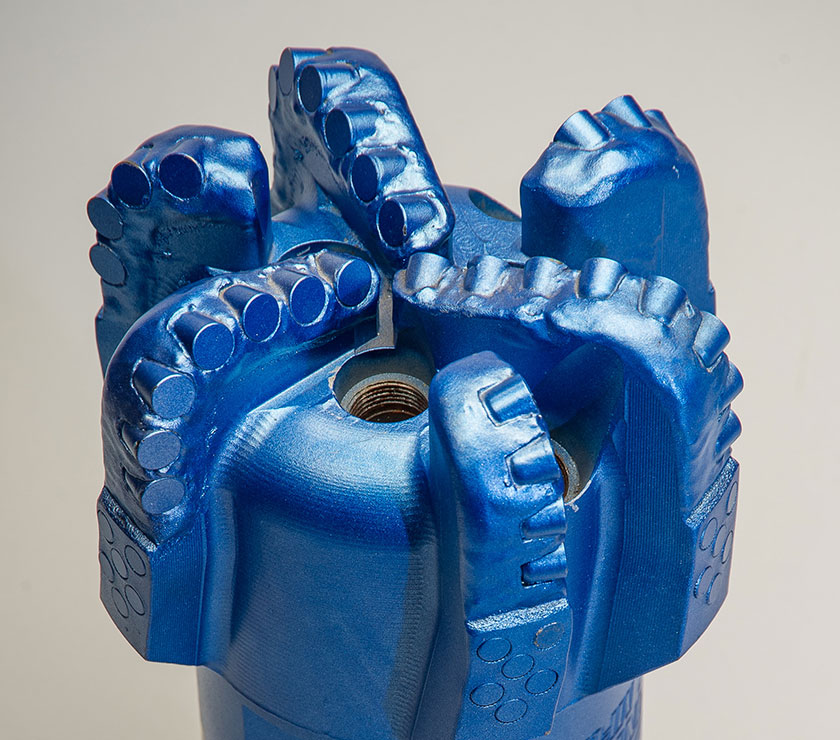
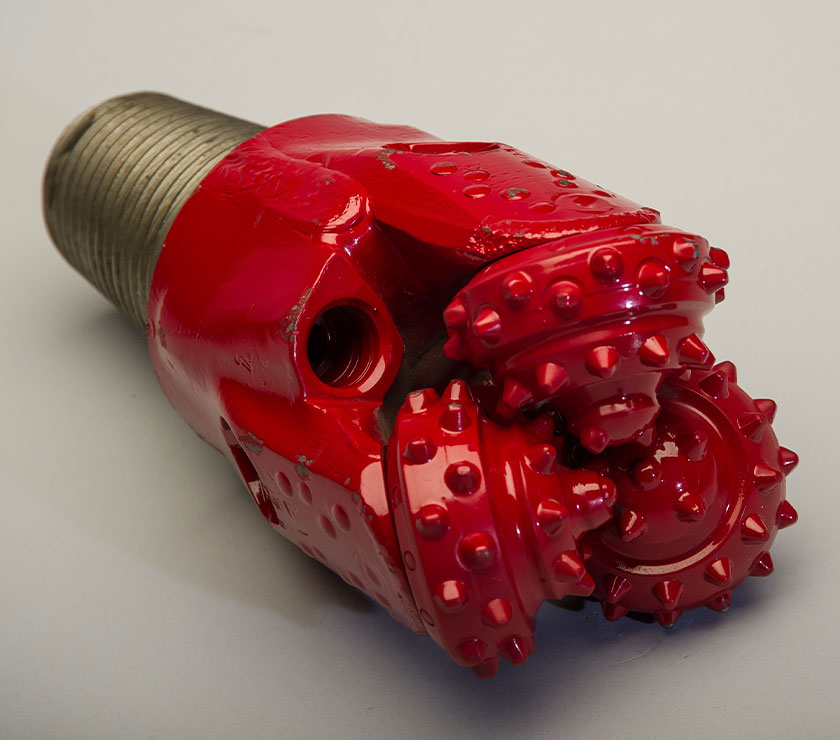
What Is An IADC Code?
IADC stands for the International Association of Drilling Contractors. The IADC bit classification system is a global standard used to categorize roller cone bits and fixed cutter bits (e.g., PDC bits) based on their design and best-suited drilling conditions.
An IADC code is typically three digits plus a letter (e.g., 417, 537, or M423), and it reveals:
- Formation type
- Cutter or tooth design
- Bearing type
- Sealing and gauge protection
This allows engineers and procurement specialists to quickly identify and select the right bit, especially when comparing options across vendors.
How IADC Codes Are Structured
IADC Code Structure for Tricone Bits
For tricone bits, the IADC code consists of three digits, with an optional fourth character, each providing specific information about the bit’s design and suitability. The breakdown is as follows:
Digit/Character | Description | Range/Options |
First Digit | Tooth or button type and formation hardness | 1-8 (1-3: milled tooth, soft-hard; 4-8: TCI insert, soft -hard) |
Second Digit | Formation hardness | 1-4 (1: soft, 2: medium-soft, 3: medium, 4: hard) |
Third Digit | Bearing type | 1-7 (1-3: roller, 4-7: sealed) |
Fourth Character | Special features (optional) | A-Z (e.g., A: air application, J: jet subs) |
For example, a tricone bit with the code 1-2-3-A indicates a milled tooth bit (1) for soft formations, medium-soft hardness (2), with roller bearings (3), and designed for air application (A), ideal for drilling soft formations using air as the drilling fluid.
IADC Code Structure for PDC Bits
PDC bits, known for their shearing action and efficiency in soft to medium-hard formations, have a different IADC code structure, starting with a letter followed by three numbers. The details are:
Component | Description | Range/Options |
Letter | Bit body material | M: matrix, S: steel, D: diamond |
First Number | Geological formation | 1-8 (1-2: soft, 3: soft-medium, 4: medium, 5: medium-hard, 6-8: hard) |
Second Number | Cutting structure | 1-4: soft-medium, 6-8: hard |
Third Number | Bit profile | 1-4 (1: long, 2: medium-long, 3: medium-short, 4: short) |
For instance, a PDC bit with code M-4-3-2 is a matrix body (M) bit for medium formations (4), with a cutting structure for medium-hard rock (3), and a medium-short profile (2), suitable for medium to medium-hard formations, offering a balance between durability and drilling speed.
Using IADC Codes For Drill Bit Selection
Step | Action |
1 | Identify the formation type (soft, medium, hard) |
2 | Determine the drilling method (rotary, directional, air, etc.) |
3 | Match the bit type: PDC or Tricone? |
4 | Choose IADC code based on formation, bit body, and bearing system |
5 | Look for optional enhancements (replaceable jets, special seals, etc.) |
Selecting the right drill bit involves a systematic approach using IADC codes, considering formation type, bit type, and rig capabilities. The process includes:
- Identify the Formation Type and Characteristics:
Determine the rock type (e.g., soft shale, hard granite, abrasive dolomite) and its compressive strength, abrasiveness, and stickiness.
Example: For hard, abrasive granite, a tricone bit with an IADC code starting with 6-8 (insert bits for hard formations) is needed.
- Determine the Bit Type:
For soft to medium formations, PDC bits are preferred for their speed and efficiency, while for hard and abrasive formations, tricone bits (especially insert bits) are more durable.
Example: For soft shale, a PDC bit like M-1-1-1 (matrix body, soft formation, soft cutting structure, long profile) might be ideal.
- Match the IADC Code to the Formation:
For tricone bits, focus on the first two digits to match formation hardness; for PDC bits, use the first number to align with geological formation.
Example: For medium-hard limestone, a PDC bit with S-5-6-3 (steel body, medium-hard, hard cutting structure, medium-short profile) could be suitable.
- Consider Drilling Parameters and Rig Capabilities:
Ensure the bit’s design aligns with rig capabilities, such as weight on bit (WOB) and rotary speed (RPM). For tricone bits, check bearing type; for PDC bits, consider profile for stability.
Example: High RPM rigs may benefit from PDC bits with short profiles (third number 4).
- Consult with Experts or Suppliers:
If unsure, consult with drilling experts or suppliers like KS Bit.
Using IADC Codes For Drill Bit Selection
By decoding the IADC label, you get essential performance clues:
- Rock compatibility: Will it hold up under pressure?
- Bit life: Is it durable enough for long runs?
- Speed vs control: Will it drill fast or steer precisely?
- Bearing type: Especially critical in tricone bits
This helps optimize your selection for:
- Fewer trips
- Higher ROP
- Lower operational cost
KS Bit Advantage: Quality Meets Precision
At KS Bit, we don’t just sell bits — we help you choose the right tool for the right job.
- Drill bits ranging from 2 15/16” to 36 inches
- Rapid shipping to 50+ countries
- One-stop sourcing for HDD, mining, water, and oil tools
The evidence leans toward understanding IADC codes being essential for optimizing drilling operations, improving efficiency, and reducing costs. By leveraging this system, drilling professionals can select bits that match formation types and rig capabilities, enhancing project success. At KS Bit, we provide high-quality drill bits tailored to meet diverse industry needs, ensuring reliability and performance. Whether for oil and gas, mining, or trenchless engineering, using IADC codes can make a significant difference in your drilling endeavors.
This is a useful post for finding broken links within the website, what about links pointing outwards that are broken? I can use a free web service but wondered if this was possible.
Great tool! I am using a redirect plugin to send all my 404’s to my home page but I think it’s slacking sometimes.