DRILLING
How to Choose the Right Hole Opener Bit for Your Drilling Project
Choosing the right hole opener bit is an important part of any drilling project. Whether you’re working in oil and gas, mining, or other drilling applications, having the proper equipment can make a difference in drilling efficiency, equipment performance, and overall project costs.
Hole opener bits are designed to enlarge an existing borehole to a larger diameter, making them useful for projects that require wider openings or specialized drilling applications. However, not every hole opener is designed for the same conditions.
Understanding the different types, sizes, and applications can help you choose the right hole opener bit for your drilling needs.
What Is a Hole Opener Bit?
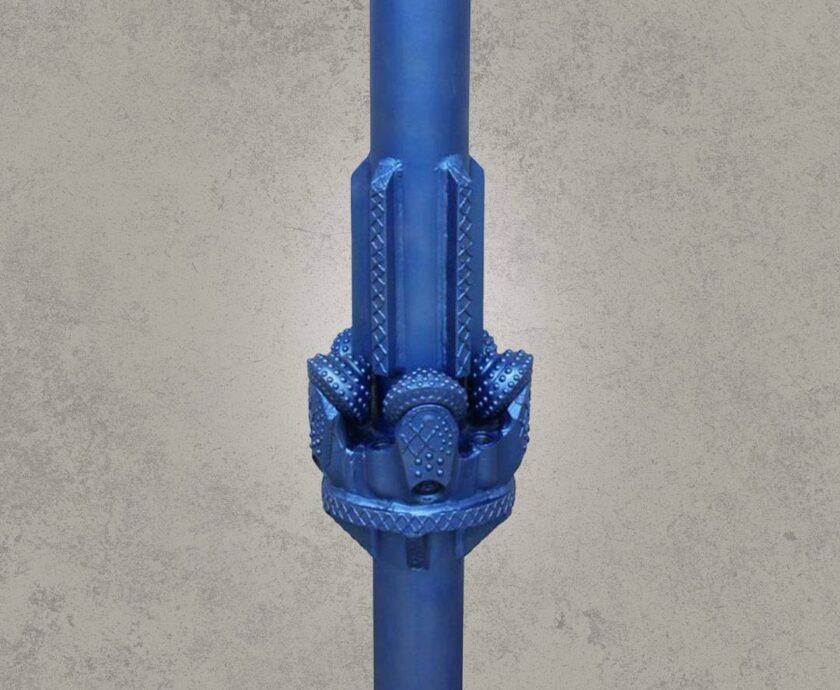
A hole opener bit is a drilling tool used to enlarge an existing hole to a specific diameter. Unlike a traditional drill bit that creates the initial borehole, a hole opener works by cutting away additional material around an existing opening.
Hole openers are commonly used in drilling operations where a larger borehole is required after an initial pilot hole has been drilled.
These tools can be used in several industries, including:
- Oil and gas drilling
- Mining and mineral exploration
- Horizontal directional drilling (HDD)
- Geothermal drilling
- Water well drilling
The right hole opener can help maintain drilling efficiency while achieving the required borehole diameter.
How Are Hole Opener Bits Used in Drilling?
Hole opener bits are used when a drilling project requires a larger opening than the original pilot hole.
In many drilling operations, creating a smaller pilot hole first can help establish the drilling path. Once the initial hole is complete, a hole opener can enlarge the borehole to the desired diameter.
For example, horizontal directional drilling projects may require a larger opening to accommodate underground pipelines or utility installations. A hole opener can be used during the reaming process to gradually increase the borehole size.
Hole openers are also used in certain oilfield drilling operations where larger borehole sections are needed for casing or other equipment.
The specific hole opener bit used depends on the formation, drilling method, and required hole diameter.
Factors to Consider When Choosing a Hole Opener Bit
Selecting the right hole opener bit involves more than choosing the correct diameter. Several factors can influence how well the equipment performs in different drilling conditions.
1. Formation Type
One of the most important considerations is the type of formation you’ll be drilling through.
Soft formations, such as certain clays and unconsolidated materials, may require different cutting structures than hard or abrasive rock formations.
For harder formations, a rock hole opener designed with durable cutting elements may be necessary to handle demanding drilling conditions.
Understanding the formation helps determine which cutting structure is appropriate for the project.
2. Hole Opener Size
Hole opener sizes vary depending on the drilling application and the diameter of the existing borehole.
Before selecting a hole opener bit, consider both the pilot hole diameter and the final borehole diameter required for the project.
Choosing the correct size is important for maintaining proper clearance and meeting project specifications.
For some applications, enlarging a borehole in multiple stages may be more practical than attempting to reach the final diameter in a single pass.
3. Cutting Structure
Different hole opener designs use different cutting structures depending on the formation and drilling conditions.
Some hole openers use roller cone cutters, while others incorporate fixed cutting elements designed for specific applications.
Roller cone hole openers can be useful in a variety of rock formations, while fixed-cutter designs may be suitable for certain formations and operating conditions.
The best option depends on factors such as rock hardness, abrasiveness, drilling parameters, and equipment compatibility.
4. Drilling Equipment Compatibility
Before purchasing a hole opener bit, it’s important to make sure the tool is compatible with your existing drilling equipment.
Consider the connection type, available torque, weight or thrust capacity, and recommended operating parameters.
Using equipment that isn’t properly matched to the drilling system can affect performance and increase the risk of premature wear or equipment damage.
Hole Opener Bits vs. Tricone Drill Bits
Although hole opener bits and tricone drill bits are both used in drilling operations, they serve different purposes.
A tricone drill bit is commonly used to drill a new borehole. It features three rotating cones equipped with cutting elements that break down rock and other formations as the bit rotates.
A hole opener bit, on the other hand, is primarily designed to enlarge an existing borehole.
Both tools can be valuable depending on the drilling application.
For example, a tricone drill bit may be used to create an initial hole, while a hole opener may be used later to increase the borehole diameter.
Understanding the difference between these tools can help drilling professionals select the appropriate equipment for each stage of a project.
Why Choosing the Right Drilling Equipment Matters
Using the right drilling equipment can help improve operational efficiency and reduce unnecessary downtime.
A properly selected hole opener bit can support:
- More efficient borehole enlargement
- Better performance in the intended formation
- Reduced unnecessary wear on cutting components
- Improved compatibility with drilling equipment
- More consistent drilling operations
However, even high-quality drilling equipment must be operated within its recommended parameters.
Regular equipment inspections, proper maintenance, and appropriate drilling practices all contribute to reliable performance.
Find the Right Drilling Equipment at KS Bit
Choosing the right hole opener bit starts with understanding your drilling conditions, equipment requirements, and project goals. From formation type to cutting structure and hole diameter, each factor plays a role in selecting equipment that meets your needs.
At KS Bit, we understand the importance of reliable drilling equipment for demanding applications. Whether you’re searching for tricone drill bits, other drilling tools, or guidance on equipment options, our team can help you explore solutions for your operation.
Ready to find drilling equipment for your next project? Explore our available products or contact KS Bit to discuss your drilling needs.
Follow us on Facebook to stay up to date with us!